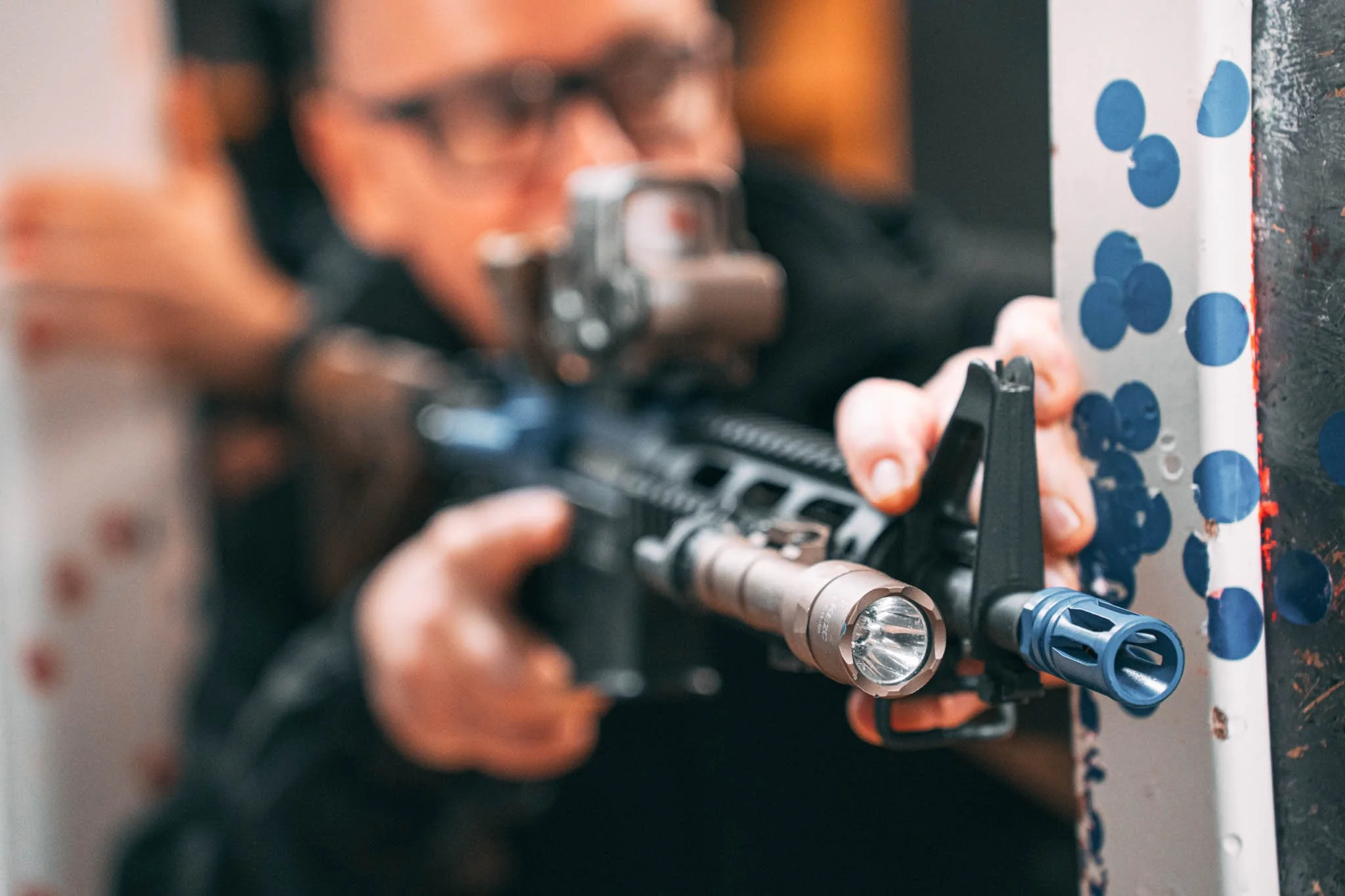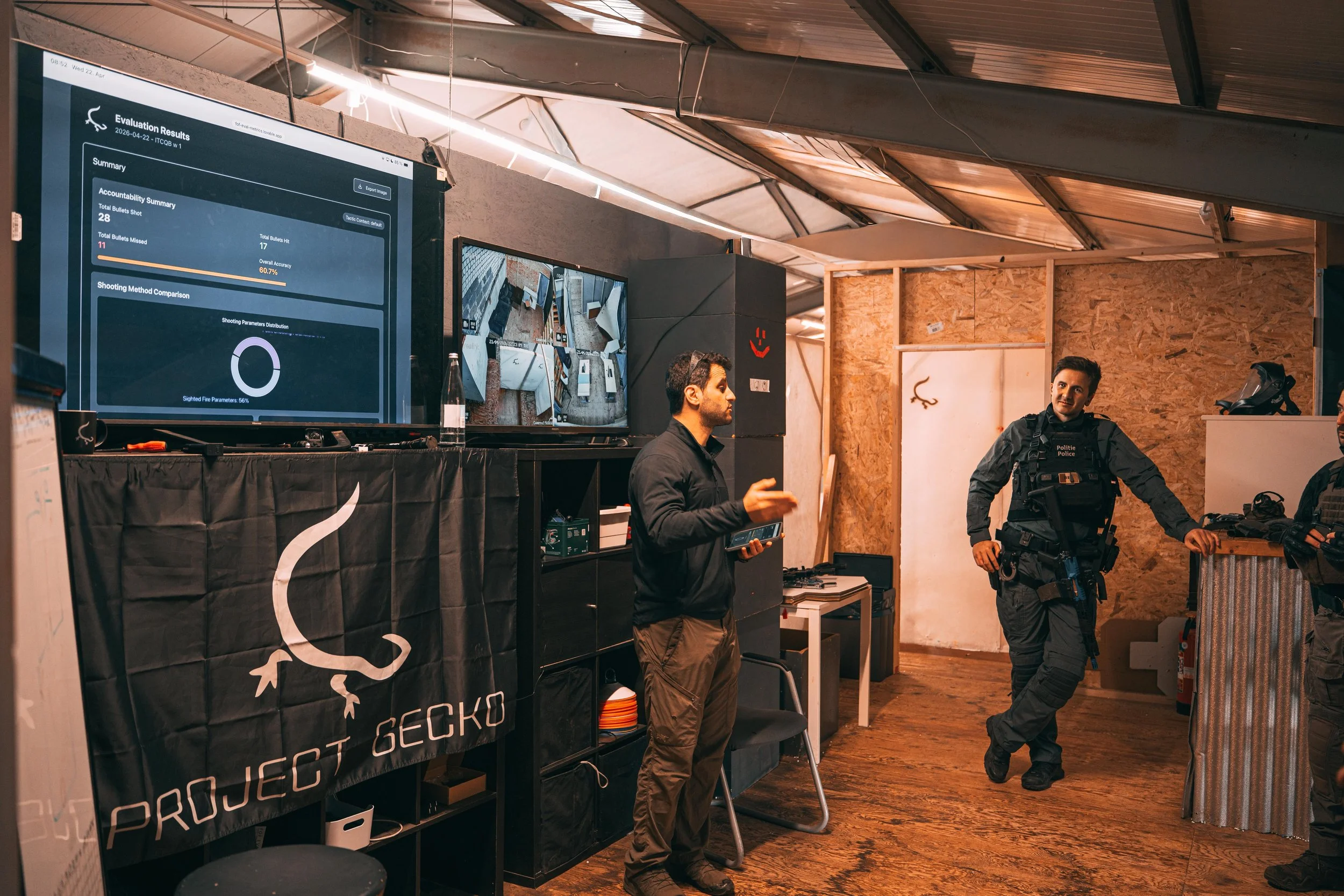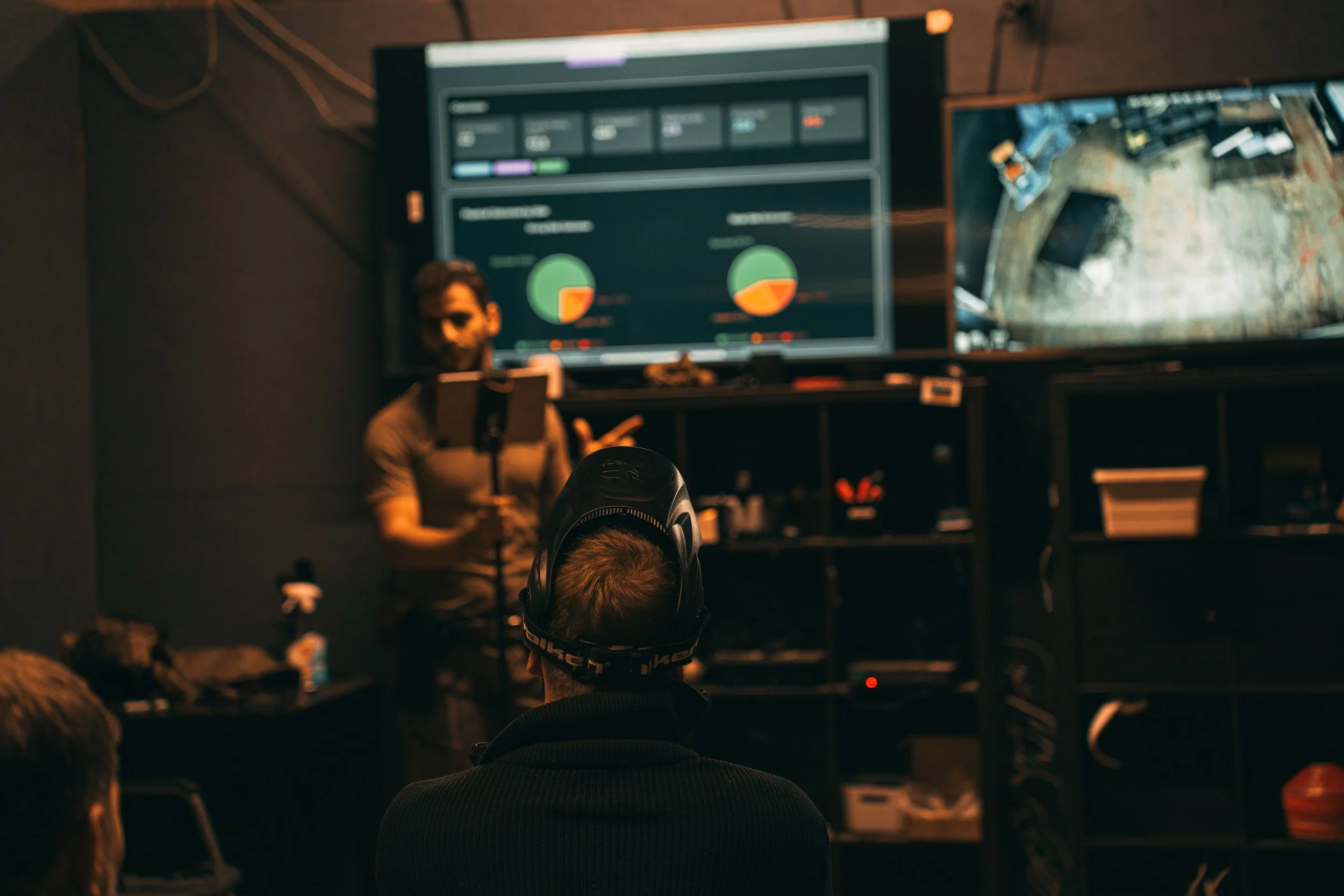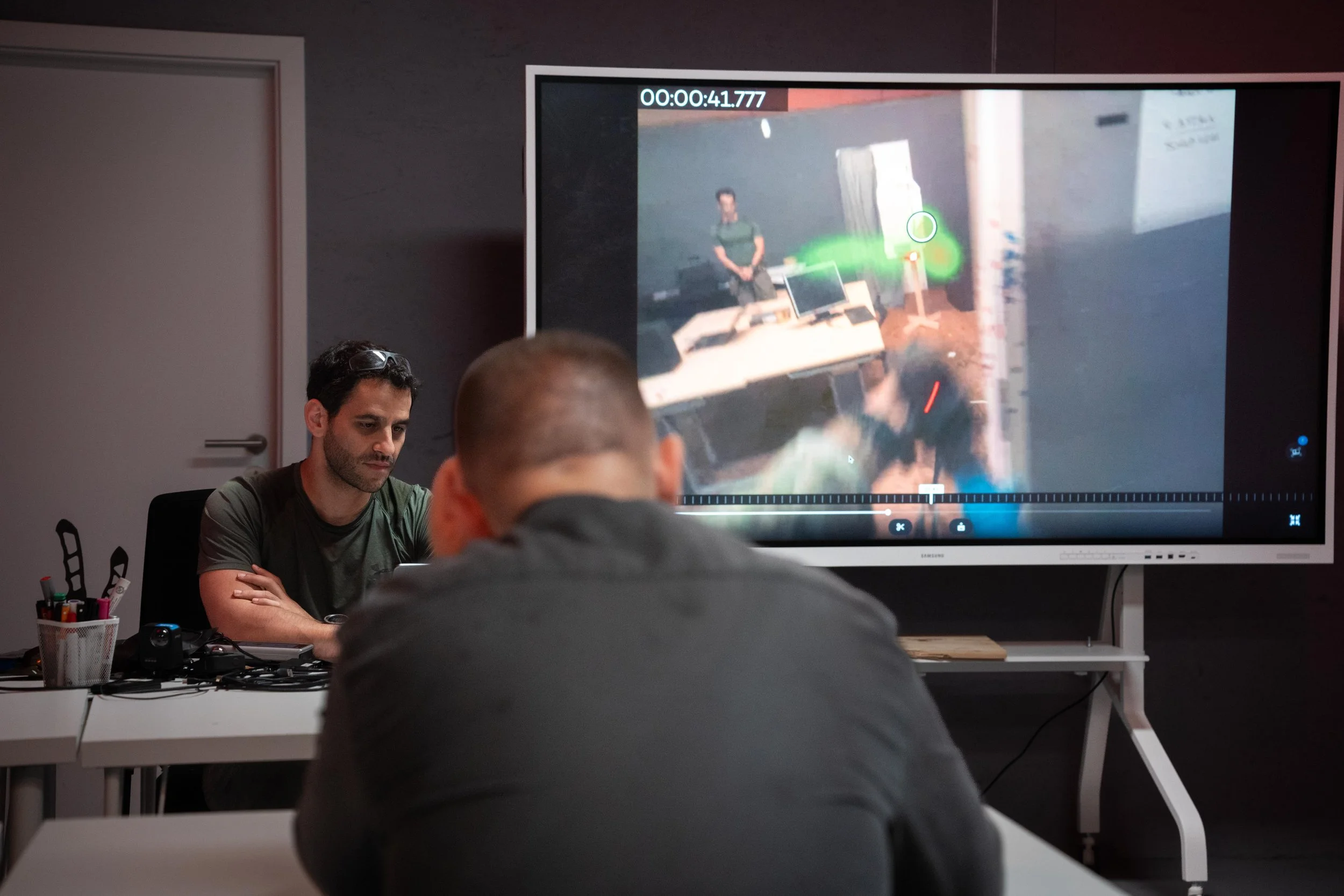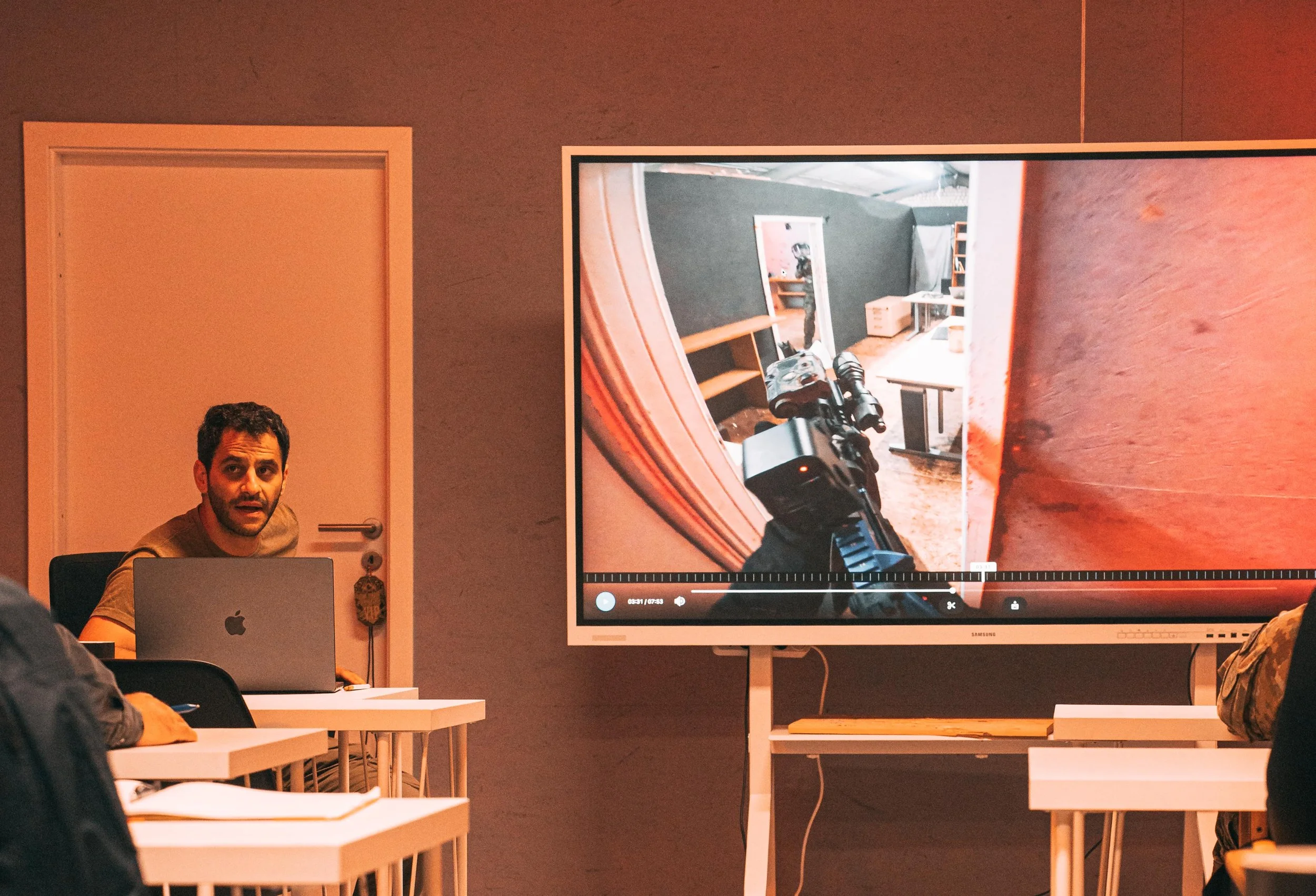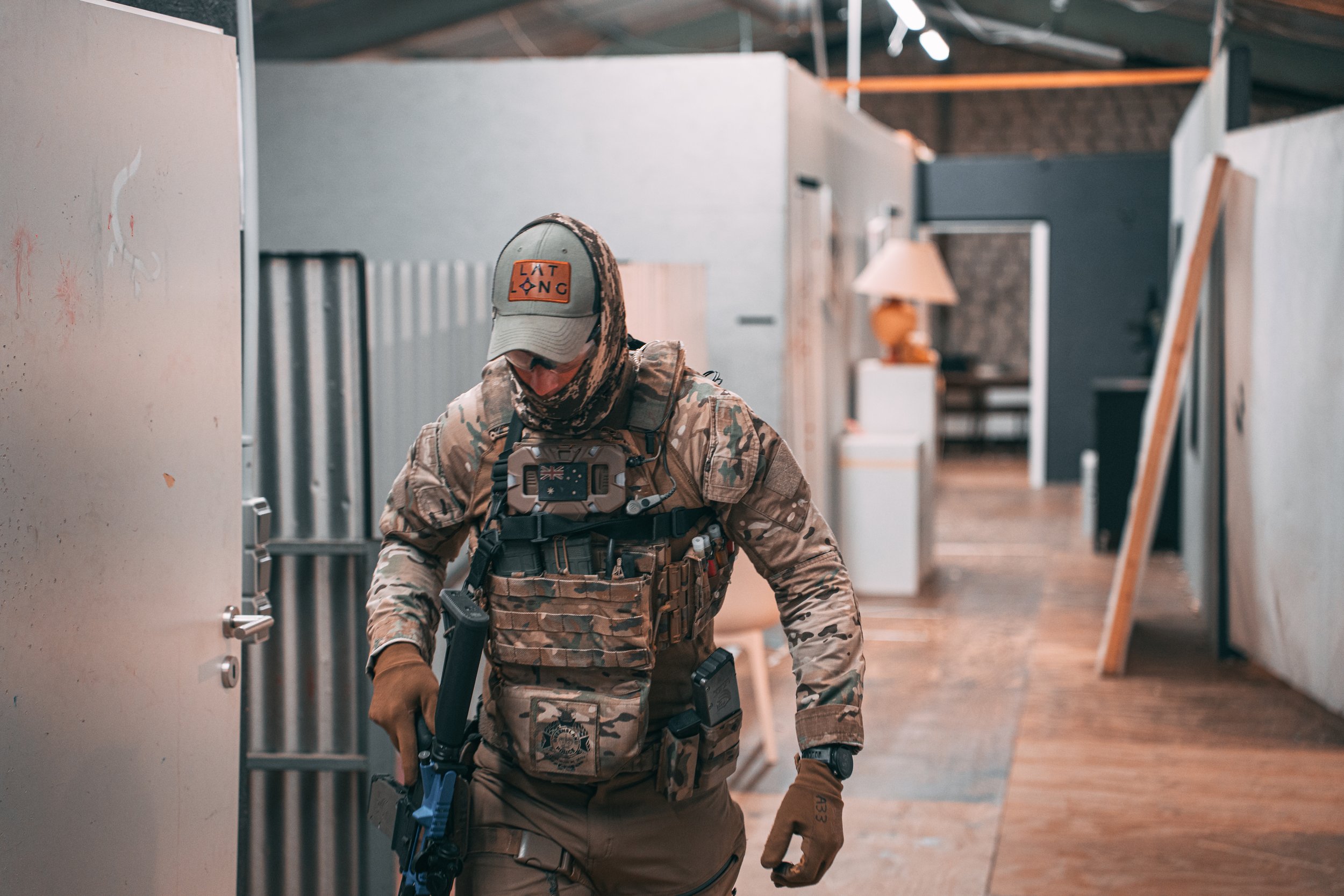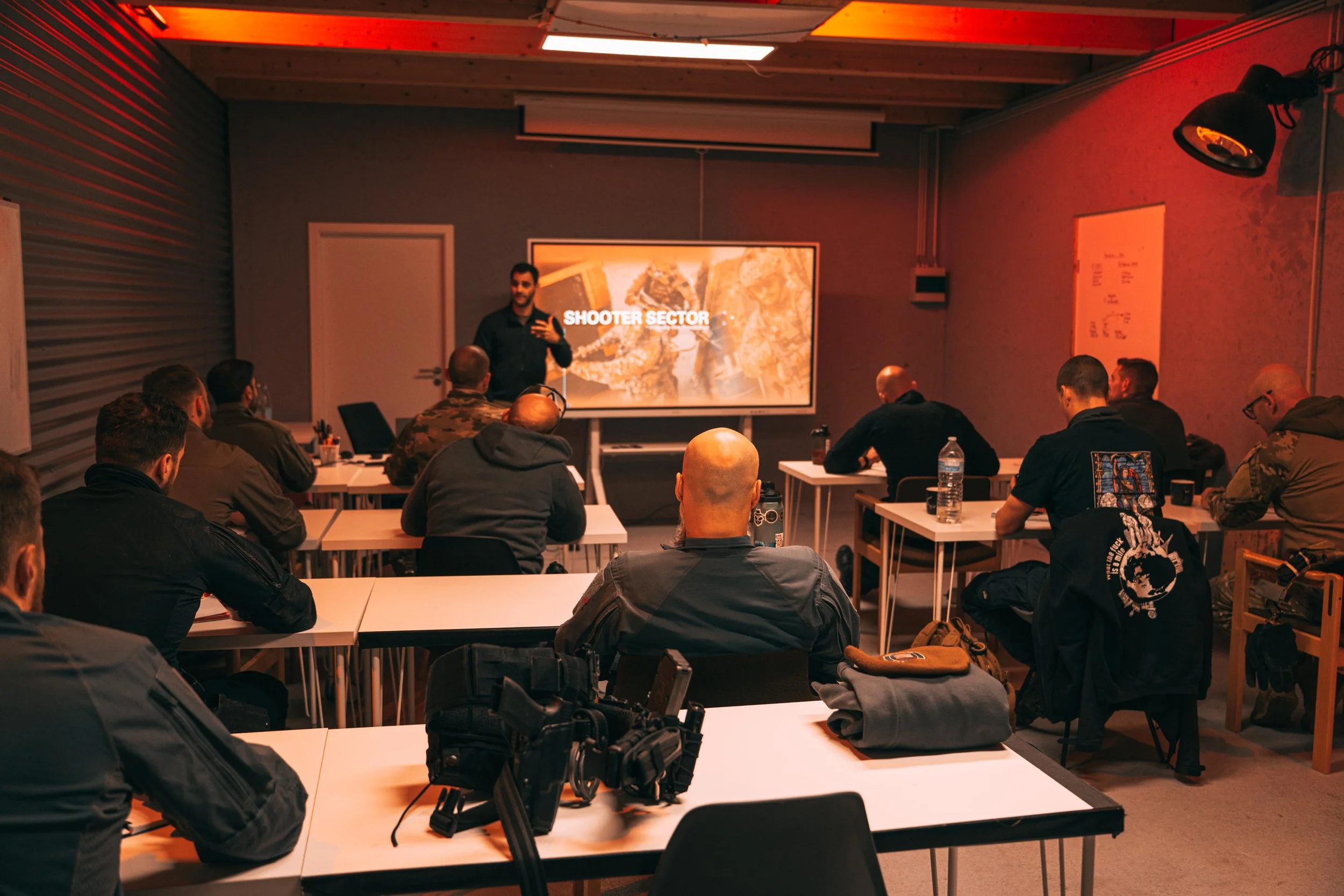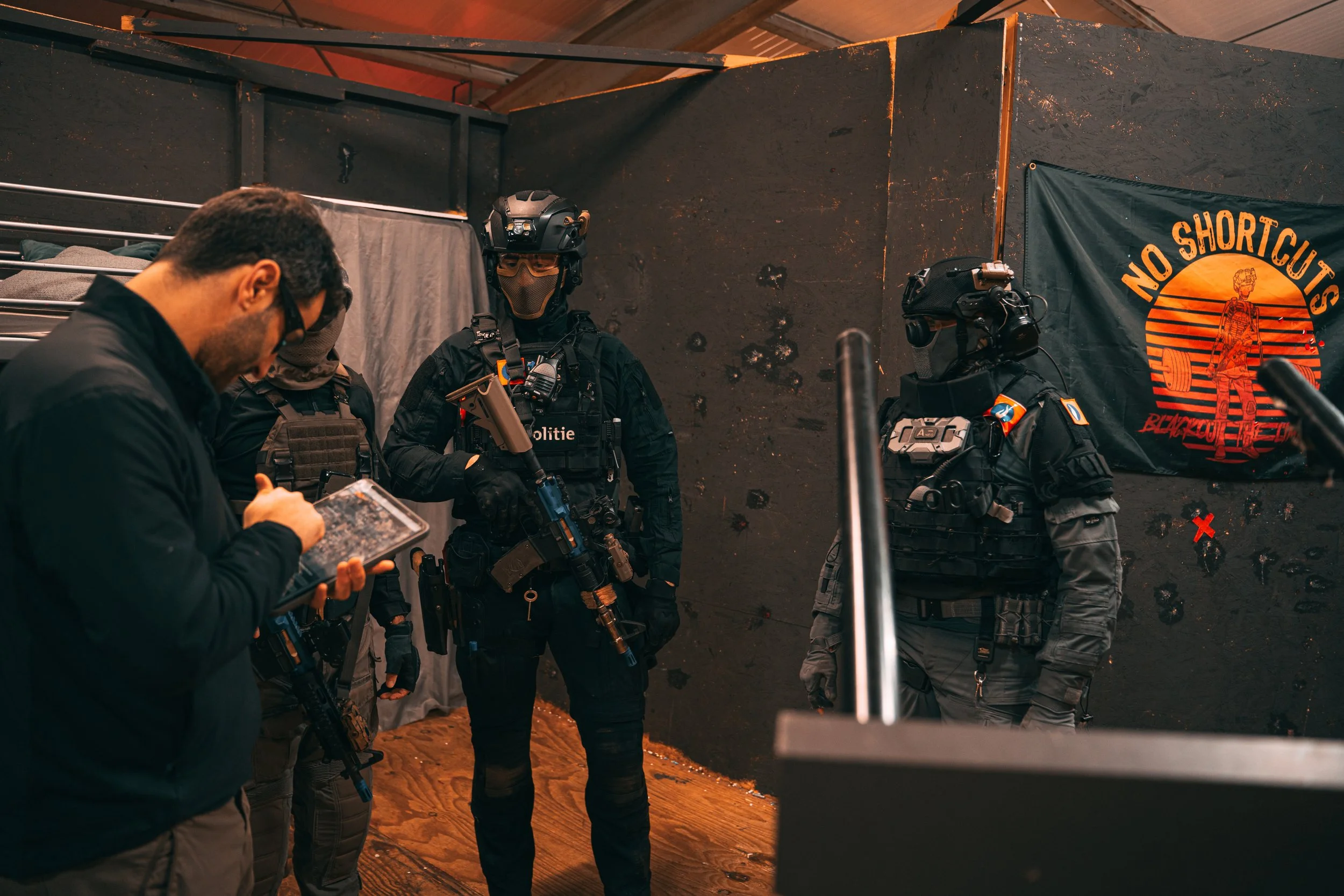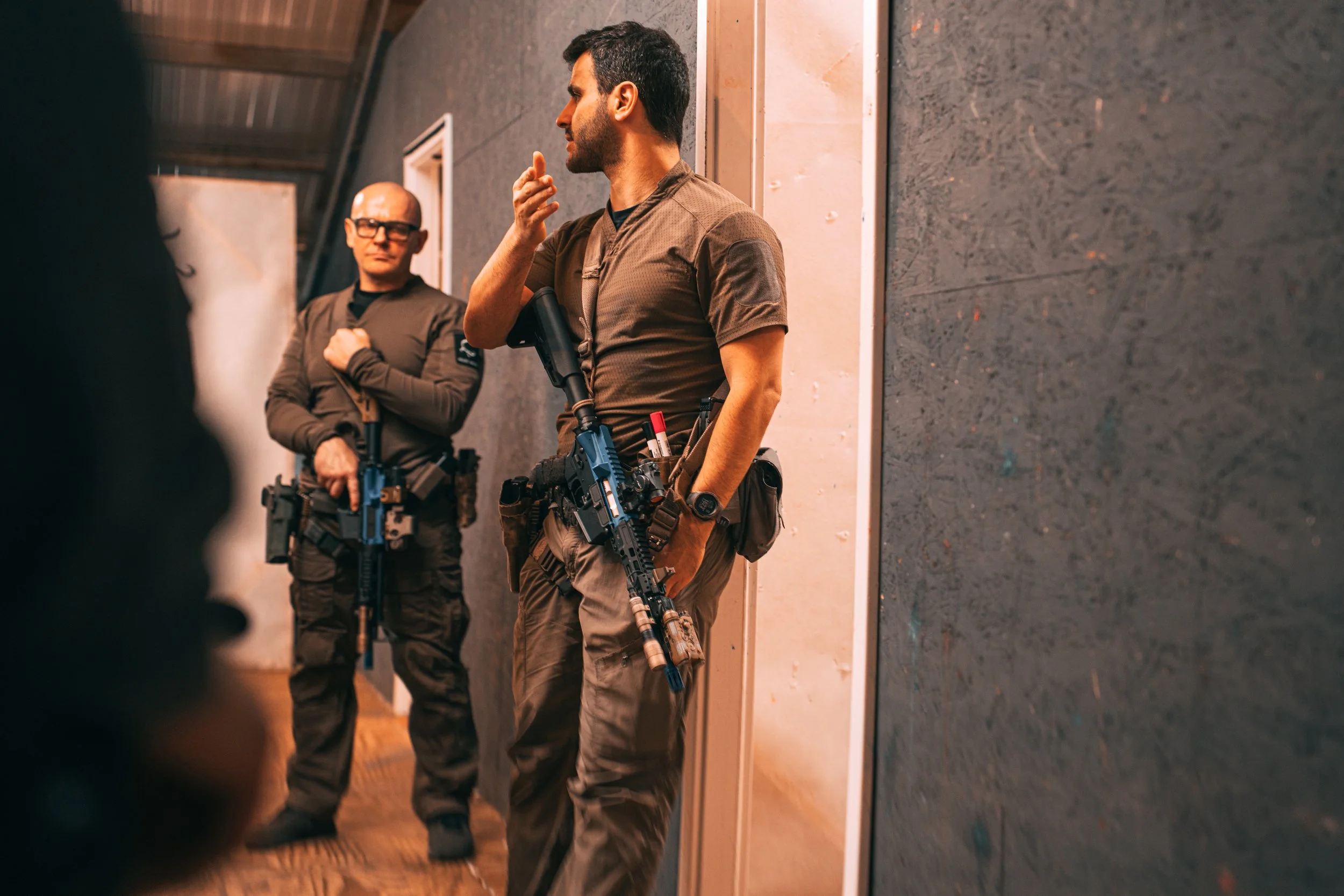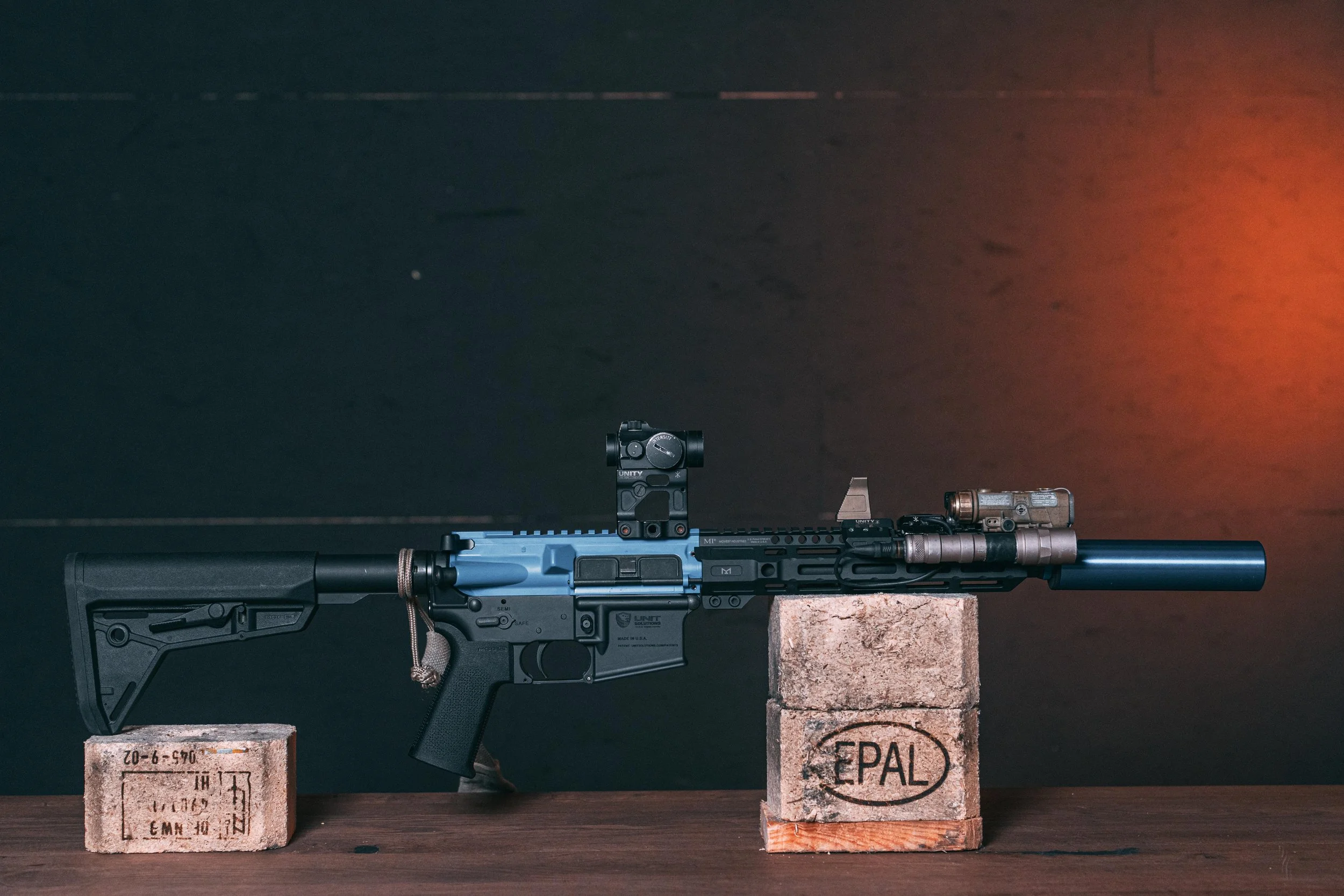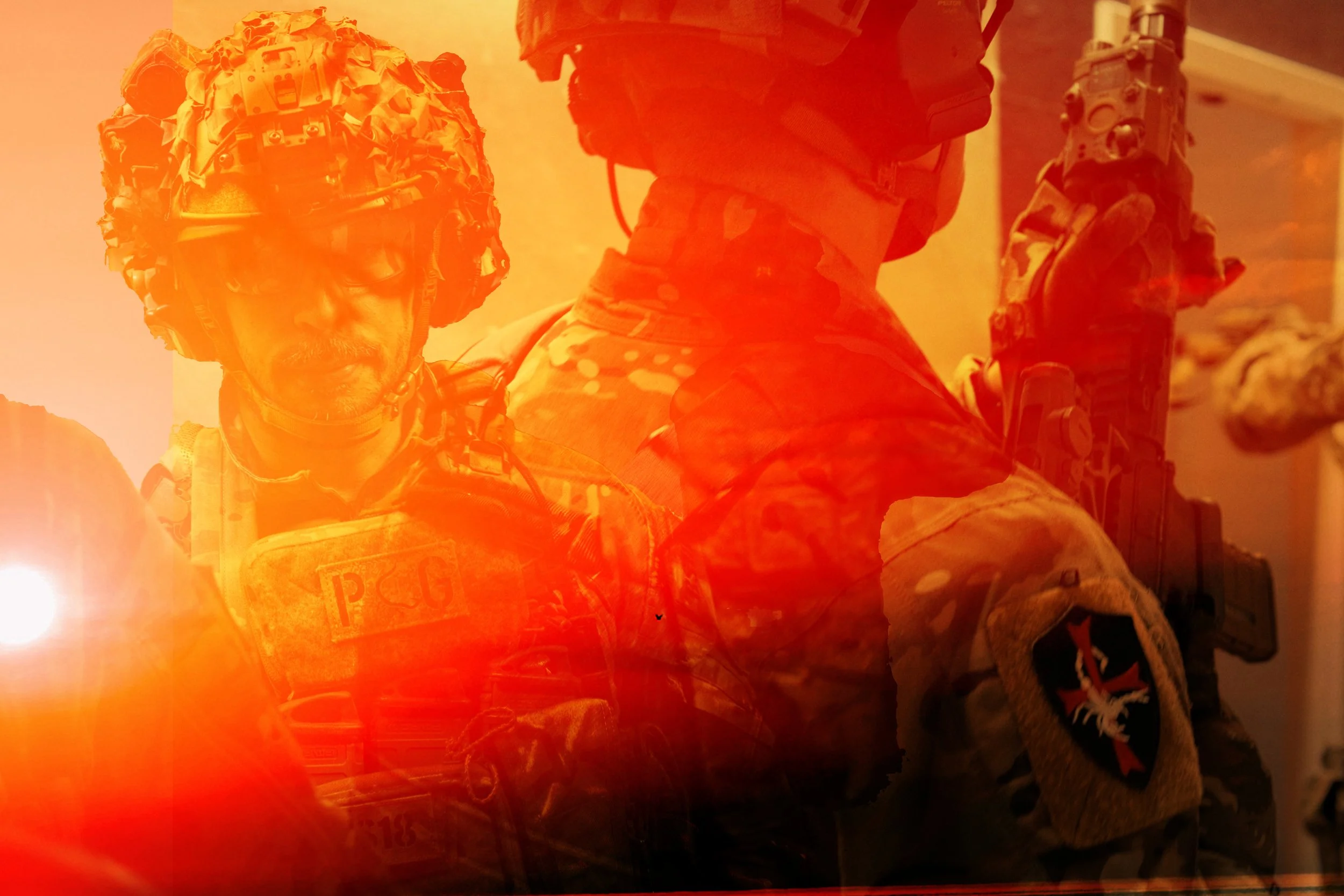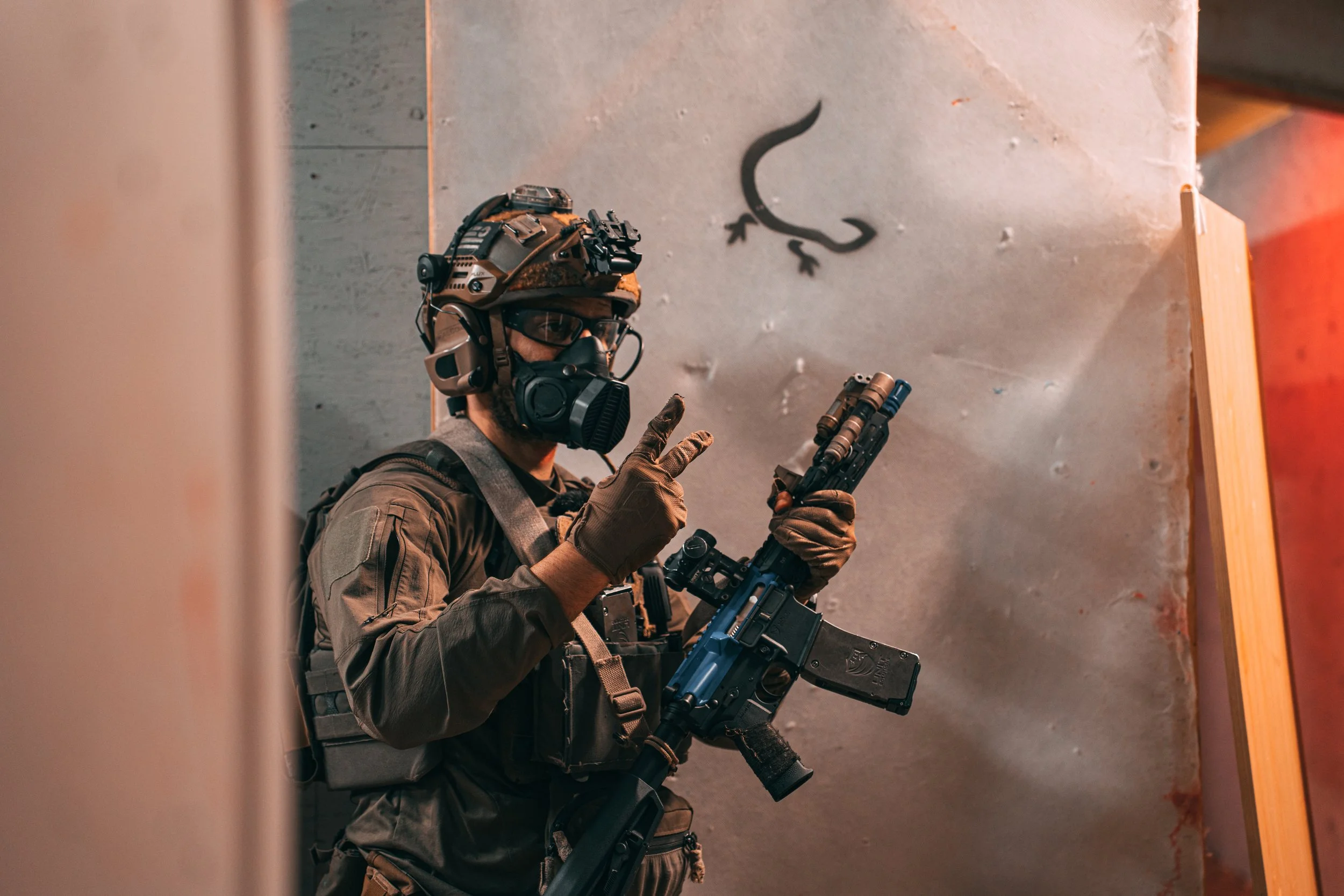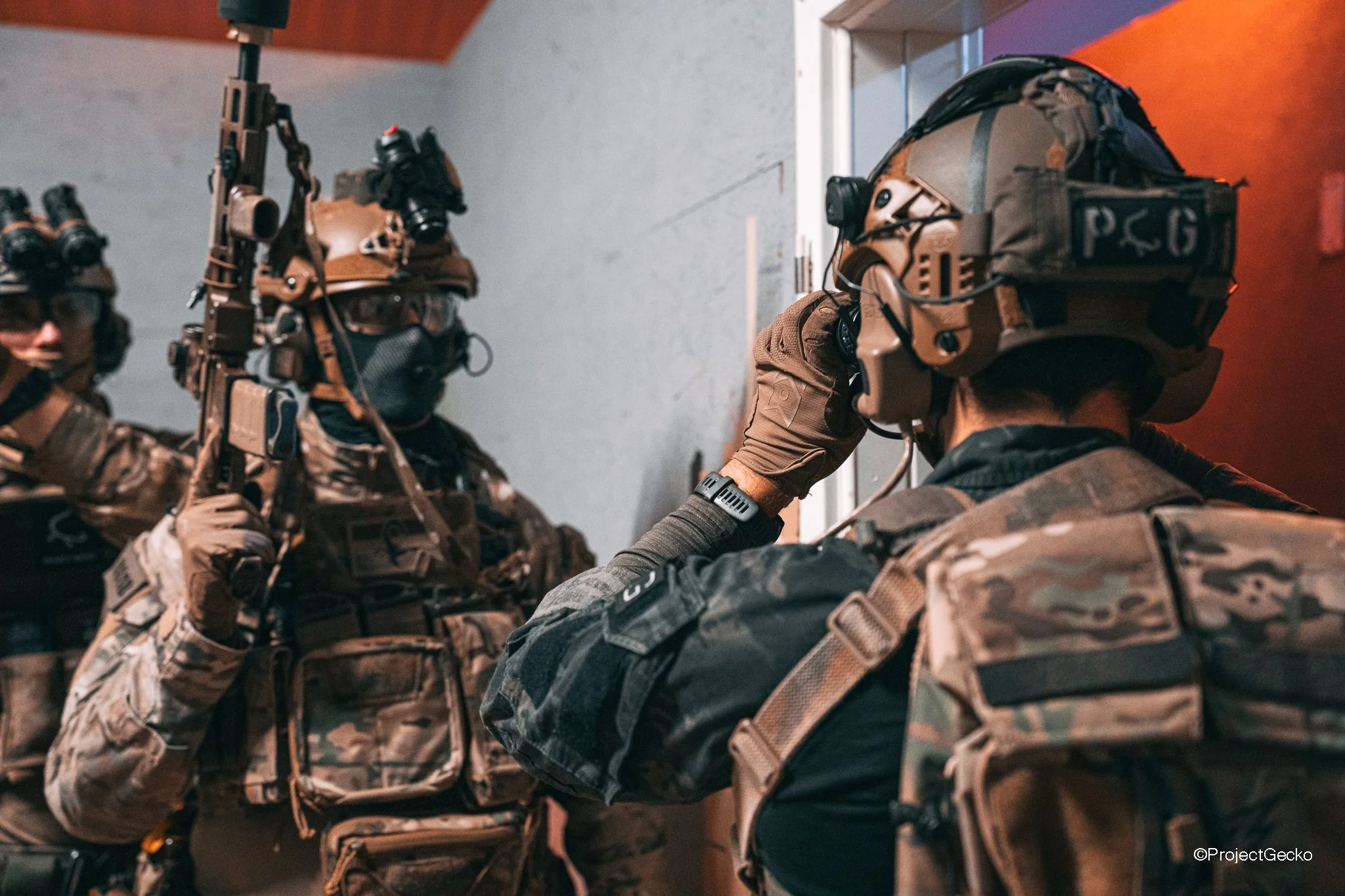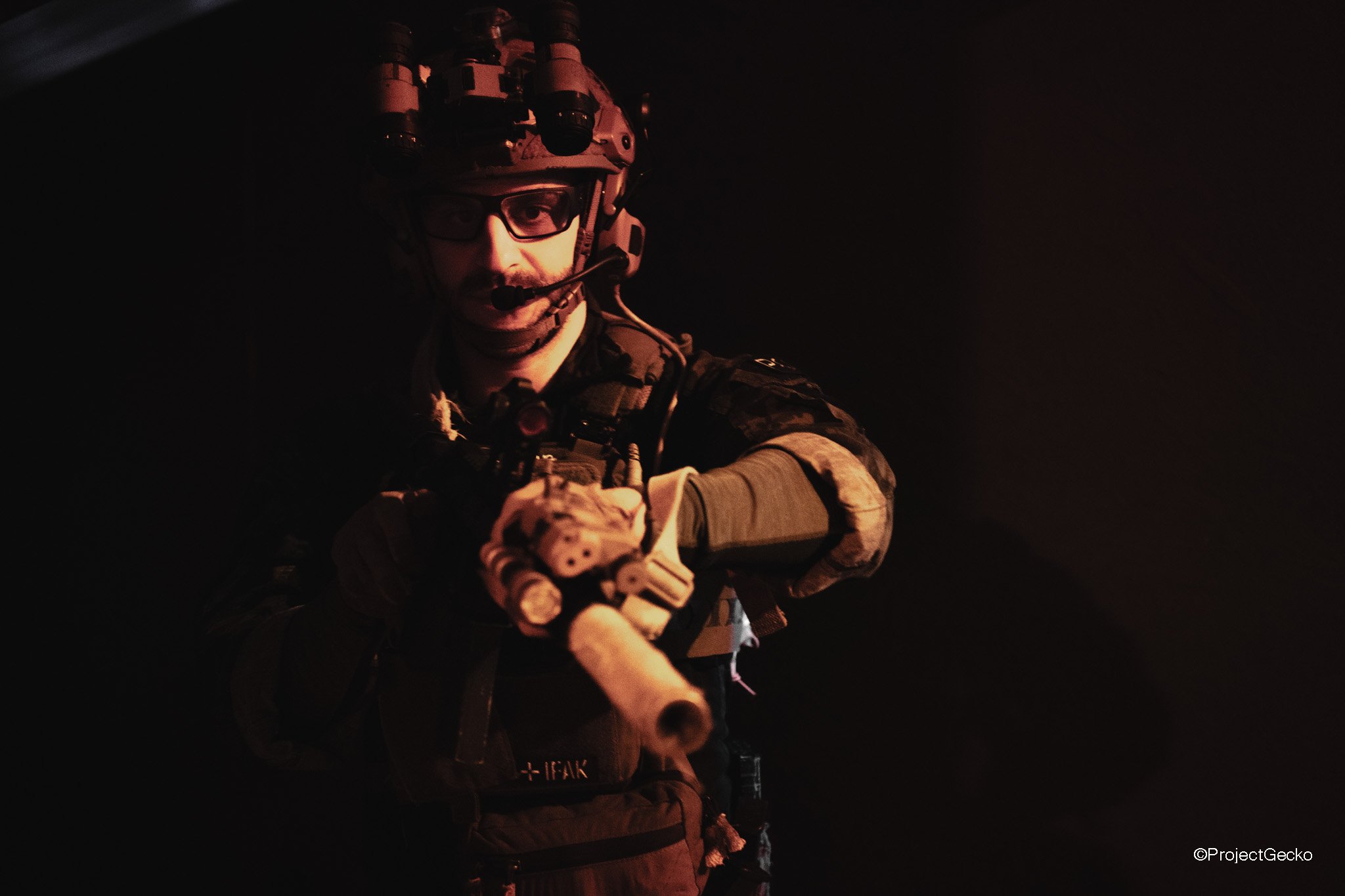
The ITCQB 01 course is an entry-level program into Project Gecko’s ITCQB system.. This curriculum set its focus on how to work with long weapon system in a confined space.
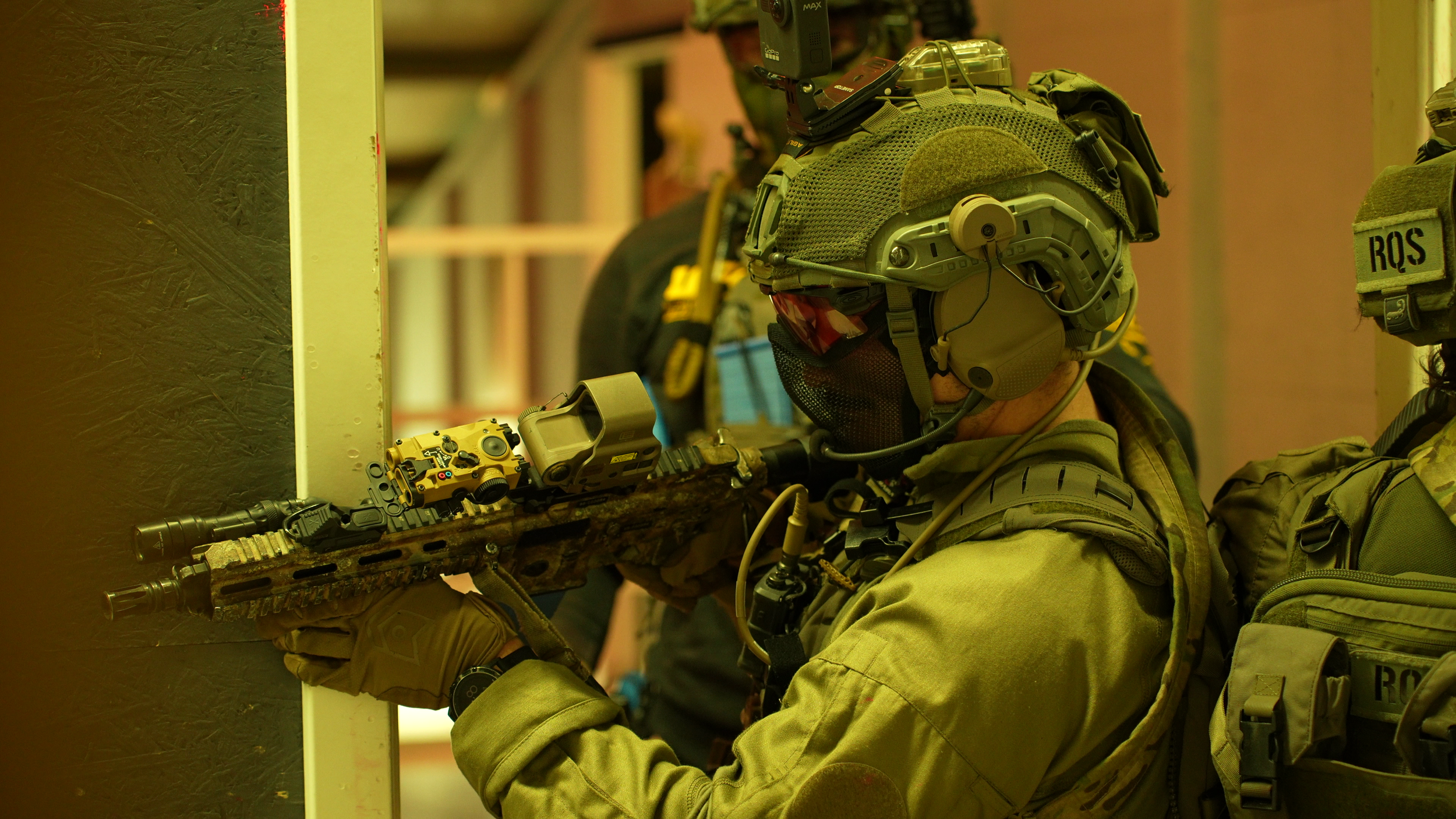
Five intensive days building the individual, cell and team-level foundations of Project Gecko’s ITCQB methodology.
Location: Vicinity of Rotenburg (Wümme), Germany
Nearest Airport: Bremen / Hamburg - Distance of 90 minutes.
Dates:
Start on Mon, Jan 18, 2027 at 8:00 AM.
End on Fri, Jan 22, 2027 at 5:00 PM.
Duration:
Monday–Thursday 08:00–17:00 / Friday 08:00–16:00
Instructor:
Project Gecko / Eli
Course fee:
€1,049
ITCQB Week 01 is designed for professional users who want to develop a structured understanding of close-quarters tactics and Project Gecko's ITCQB methodology.
The course is suitable for:
Active military personnel
Law-enforcement personnel
Vetted security professionals
Professional users looking to develop or refine their CQB fundamentals
Participants seeking a structured progression from individual skills into team-level application
Previous CQB experience: Not necessarily required, but participants must meet the professional eligibility and weapon-handling prerequisites for the course.
Eligibility: Active / former military, law enforcement and vetted security personnel.
Introduction to the ITCQB methodology, interior terrain and the tactical logic behind working in and around structures.
Development of the individual skills required to solve close-quarter problems, including solo room-clearing concepts and individual weapon handling.
Progression from individual work into small-team tactics, mutual support and coordinated room-clearing.
Understanding the relationship between information, exposure and tempo. Working between deliberate, default and attack-oriented clearing speeds according to the problem.
Team clearing concepts, corridor tactics, offset exposures, door interaction, SOPs and man-down considerations.
Selected concepts from the week are placed under pressure through drills and extended Force-on-Force scenarios, allowing participants to test decisions rather than simply rehearse techniques.
By the end of the week, participants should have developed a practical understanding of:
How interior terrain, exposure and available information shape tactical decisions
How ITCQB principles scale from individual and solo work into cell- and team-level room clearing
How and why clearing approaches change according to terrain, threat and available information
How to apply these principles when confronted with uncertainty and human opposition
The emphasis is not simply on memorizing techniques, but on understanding why, when and under which conditions they are applied.
Concepts introduced during the week are progressively tested through practical exercises and Force-on-Force validation.
Pictures from previous courses!
Training location:
Scheessel, Lower Saxony, Germany
The exact training location and arrival information will be provided to registered participants.
Nearest major airport: Hamburg / Bremen with direct trains to the training site area. from this airports, usual 90 minutes travel total with public transport, and 20eu roughly travel cost.
Nearest train station: Scheessel, with walking distance of 10 min to the training site, and 5 minutes to the accommodation area.
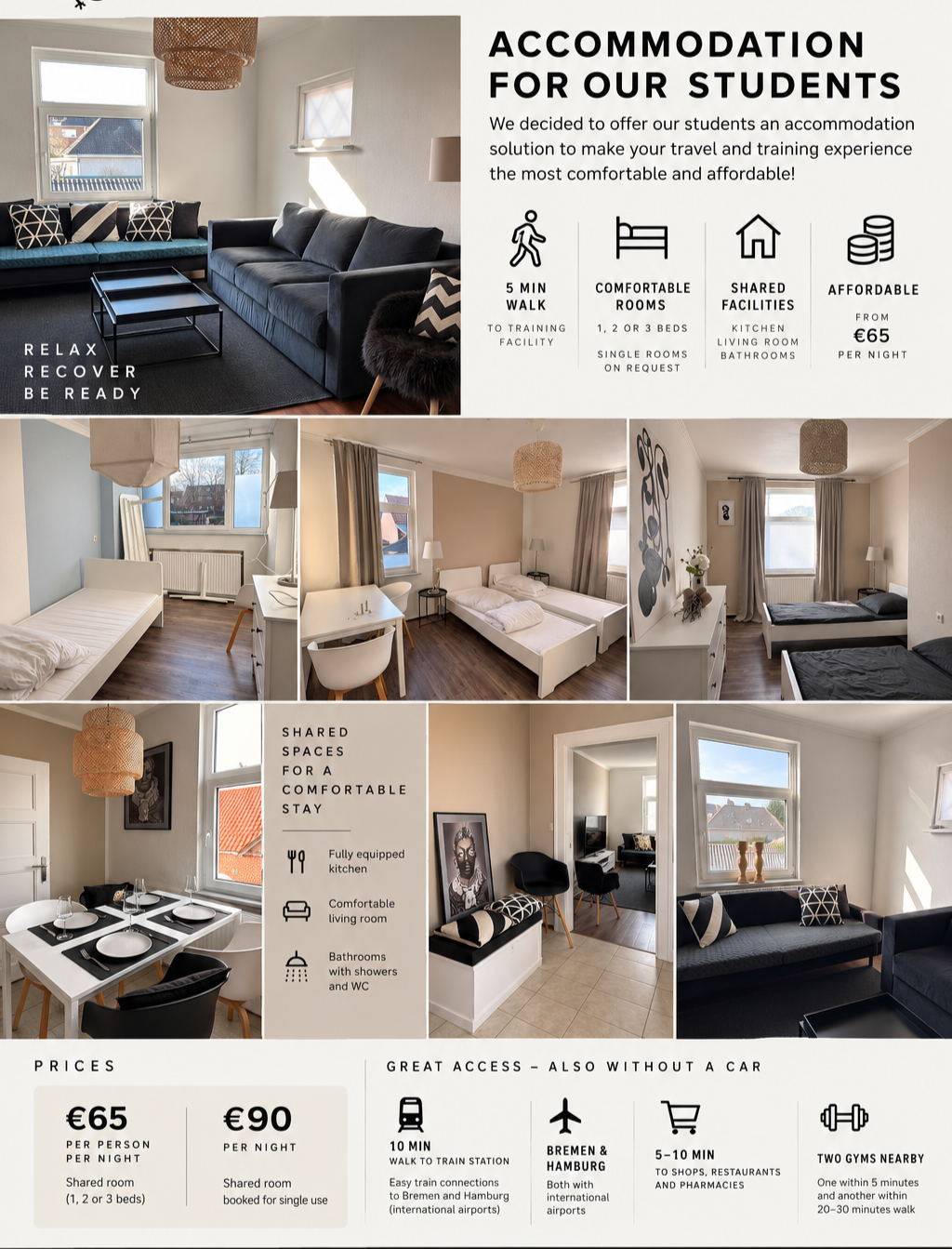
Shared accommodation close to the training facility can be added during registration.
TD 01 - 0800 - 1730
TD 02- 0800 - 1700
TD 03- 0800 - 1700
TD 04-0800 - 1700
TD 05 - 0800 - 1700
Morning Arrival times: 0745
First Day arrival : 0730
Training days may extend depending on class progression and training requirements.
Rental equipment for dry training and Force-on-Force is available.
Rental fee: €100
Rental equipment must be requested during registration or sufficiently in advance of the course.
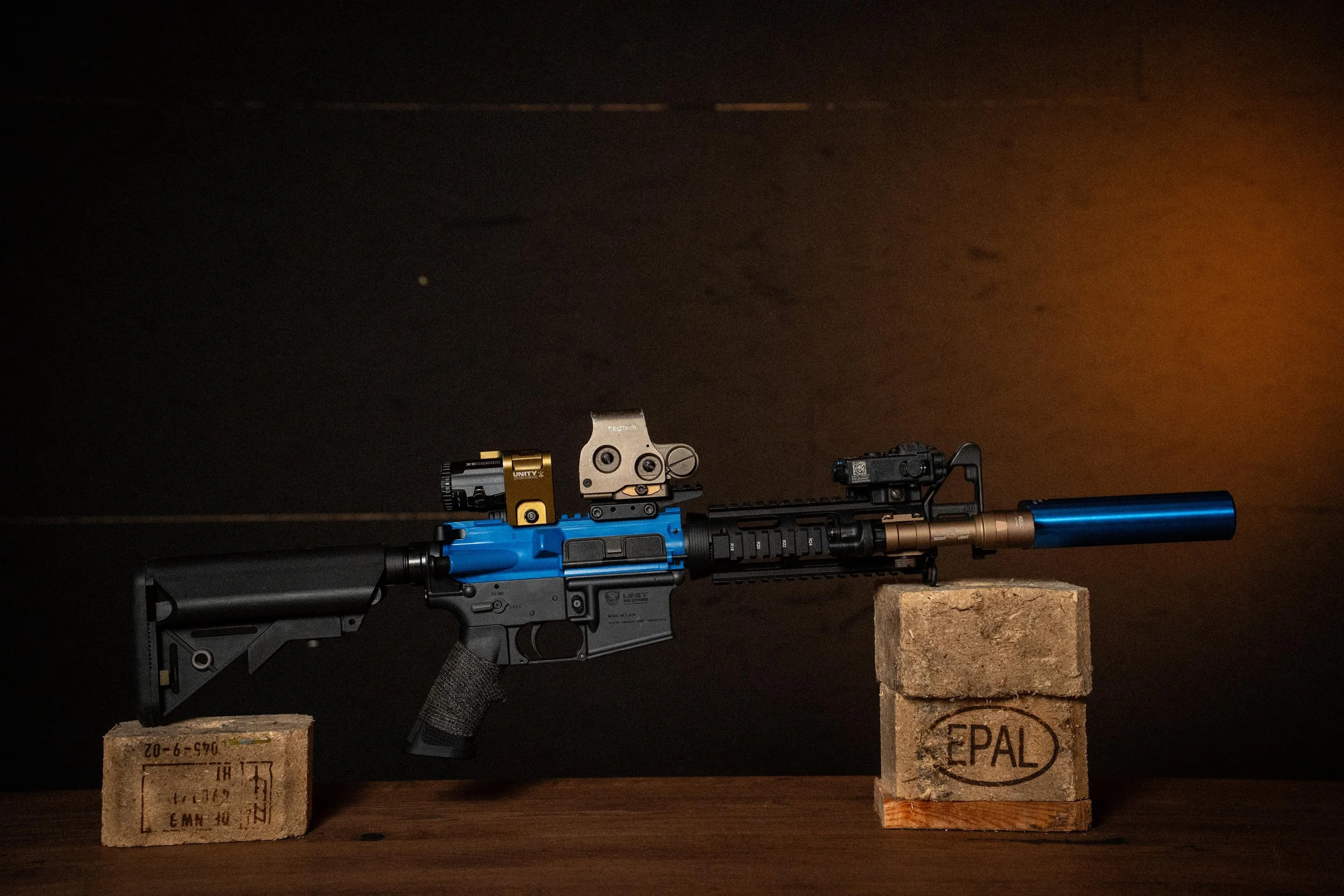
Intermediate-level CQB training focused on continuous clearing, advanced split-stack applications, complex environments and decision-making within the ITCQB framework.
Building directly on the baseline established during ITCQB WEEK 01, WEEK 02 moves beyond individual room-clearing problems into continuous tactical movement, increasingly complex environments and advanced team applications. The course develops the student's ability to adapt established ITCQB principles as the tactical problem expands in scale, complexity and uncertainty.
Focus: Advanced application of ITCQB Deliberate concepts in complex environments, from split-stack tactics to continuous team-level problem-solving.
Date: Jan 25 - 29 January 2027
Location: Rotenburg (Wümme) area, Germany
Duration: 5 days
Level: Intermediate
Language: English
Course Fee: €1,249
Instructor: Eli Feildboy
ITCQB WEEK 02 builds directly on the tactics established during WEEK 01 and applies them to increasingly complex problems. The progression moves from refreshing and pressure-testing the existing baseline into advanced split-stack applications, continuous clearing, subject control and methods for shaping the situation before committing the team to entry.
Day 01 is dedicated to re-establishing the ITCQB WEEK 01 baseline through a full day of Force-on-Force scenarios. The focus is on refreshing and reinforcing established team procedures while pressure-testing problem-solving, decision-making and adaptability before progressing into the WEEK 02 material.
Build on the split-stack tactics established during WEEK 01 and adapt them to more demanding layouts, complex geometry and evolving tactical problems from two-man applications through full team-level execution.
Develop two-man to team-level TTPs for identifying, understanding and clearing priority directions during continuous room-to-room operations, while maintaining coordination and control as the team moves through the structure. Students will learn Priority direction of clears, Limit of advance, and other relevant context to RTR terrains.
Develop procedures for controlling subjects inside the room, while still controlling the room. TTPs including communication, positioning and arrest/control techniques, while addressing the distinct requirements and considerations of law-enforcement and military applications.
Develop SOPs for controlling and handling subjects prior to team entry. The emphasis is on using communication, positioning and controlled movement to set conditions in the team's favor before committing personnel to the room. TTPs will alternate between Call out / Call to Center.
Apply the ITCQB framework to corridors, intersections and increasingly complicated structures where multiple directions, spaces and team elements must be managed continuously. Students will learn how to solve X, L and T sections in two to team level capacities. most importantly - the team will understand the reality behind level of risk associated with intersections.
Integrate the WEEK 02 material through Force-on-Force exercises and validation scenarios designed to test application, communication and decision-making under pressure.
Designed for:
For those who are interested in a higher, faster, level of Deliberate tactics. typically relevant to:
Active military personnel
Former military personnel
Law-enforcement personnel
Vetted security professionals with an appropriate professional background
Prerequisite: Successful prior attendance of ITCQB WEEK 01.
This is not an entry-level CQB course. Participants are expected to arrive with an established understanding of the ITCQB WEEK 01 material and be prepared to apply it in considerably more complex environments.
Eligibility is restricted to qualified professional participants and is subject to Project Gecko verification.
The course fee includes:
Five days of instructor-led training
Technical and tactical instruction
Practical CQB training
Force-on-Force and validation training
Course certification
Not included: Accommodation, training weapon rental, travel, food and other personal expenses.
Don't have the required training equipment or prefer not to travel with it?
Training Gun Rental — €100
Training weapon rental is available for participants who require equipment for the course.
Rental equipment can be requested during registration and is subject to availability.
Shared accommodation is available for participants who want to stay close to the training facility.
Location: Approximately 5 minutes from the training facility
Rooms: Shared rooms with course participants. Single rooms may be available upon request.
Facilities: Shared kitchen, living area and bathrooms, with supermarkets, restaurants and public transport nearby.
Ideal for participants travelling from outside the area who want a simple accommodation solution close to the training facility.
Limited availability. Accommodation can be requested during registration.
Training location: Rotenburg (Wümme) / Scheeßel area, Lower Saxony, Germany
The exact training address and arrival information are provided to registered participants.
By air:
Bremen Airport — convenient regional airport for reaching the training area
Hamburg Airport — major international airport with onward rail connections
By train:
Scheeßel and Rotenburg (Wümme) provide regional rail connections to the training area.
By car:
The facility is accessible by car, with participant parking available at or near the training location.
Detailed airport, railway and local transport instructions are available in the Info Center.
For the complete curriculum, daily schedule, equipment requirements, preparation information, training policies and other technical details, visit the dedicated:
Move beyond clearing individual rooms. Learn to manage the problem as it expands.
16–20 NOVEMBER 2026 · ROTENBURG (WÜMME), GERMANY · €1,249
Five intensive days building the individual, cell and team-level foundations of Project Gecko’s ITCQB methodology.
Location: Vicinity of Rotenburg (Wümme), Germany
Nearest Airport: Bremen / Hamburg - Distance of 90 minutes.
Dates:
Start on Mon, Mar 8, 2027 at 8:00 AM.
End on Fri, Mar 12, 2027 at 5:00 PM.
Duration:
Monday–Thursday 08:00–17:00 / Friday 08:00–16:00
Instructor:
Project Gecko / Eli
Course fee:
€1,049
ITCQB Week 01 is designed for professional users who want to develop a structured understanding of close-quarters tactics and Project Gecko's ITCQB methodology.
The course is suitable for:
Active military personnel
Law-enforcement personnel
Vetted security professionals
Professional users looking to develop or refine their CQB fundamentals
Participants seeking a structured progression from individual skills into team-level application
Previous CQB experience: Not necessarily required, but participants must meet the professional eligibility and weapon-handling prerequisites for the course.
Eligibility: Active / former military, law enforcement and vetted security personnel.
Introduction to the ITCQB methodology, interior terrain and the tactical logic behind working in and around structures.
Development of the individual skills required to solve close-quarter problems, including solo room-clearing concepts and individual weapon handling.
Progression from individual work into small-team tactics, mutual support and coordinated room-clearing.
Understanding the relationship between information, exposure and tempo. Working between deliberate, default and attack-oriented clearing speeds according to the problem.
Team clearing concepts, corridor tactics, offset exposures, door interaction, SOPs and man-down considerations.
Selected concepts from the week are placed under pressure through drills and extended Force-on-Force scenarios, allowing participants to test decisions rather than simply rehearse techniques.
By the end of the week, participants should have developed a practical understanding of:
How interior terrain, exposure and available information shape tactical decisions
How ITCQB principles scale from individual and solo work into cell- and team-level room clearing
How and why clearing approaches change according to terrain, threat and available information
How to apply these principles when confronted with uncertainty and human opposition
The emphasis is not simply on memorizing techniques, but on understanding why, when and under which conditions they are applied.
Concepts introduced during the week are progressively tested through practical exercises and Force-on-Force validation.
Pictures from previous courses!
Training location:
Scheessel, Lower Saxony, Germany
The exact training location and arrival information will be provided to registered participants.
Nearest major airport: Hamburg / Bremen with direct trains to the training site area. from this airports, usual 90 minutes travel total with public transport, and 20eu roughly travel cost.
Nearest train station: Scheessel, with walking distance of 10 min to the training site, and 5 minutes to the accommodation area.
Shared accommodation close to the training facility can be added during registration.
TD 01 - 0800 - 1730
TD 02- 0800 - 1700
TD 03- 0800 - 1700
TD 04-0800 - 1700
TD 05 - 0800 - 1700
Morning Arrival times: 0745
First Day arrival : 0730
Training days may extend depending on class progression and training requirements.
Rental equipment for dry training and Force-on-Force is available.
Rental fee: €100
Rental equipment must be requested during registration or sufficiently in advance of the course.
Intermediate-level CQB training focused on continuous clearing, advanced split-stack applications, complex environments and decision-making within the ITCQB framework.
Building directly on the baseline established during ITCQB WEEK 01, WEEK 02 moves beyond individual room-clearing problems into continuous tactical movement, increasingly complex environments and advanced team applications. The course develops the student's ability to adapt established ITCQB principles as the tactical problem expands in scale, complexity and uncertainty.
Focus: Advanced application of ITCQB Deliberate concepts in complex environments, from split-stack tactics to continuous team-level problem-solving.
Date: 15. - 19. March 2027
Location: Rotenburg (Wümme) area, Germany
Duration: 5 days
Level: Intermediate
Language: English
Course Fee: €1,249
Instructor: Eli
ITCQB WEEK 02 builds directly on the tactics established during WEEK 01 and applies them to increasingly complex problems. The progression moves from refreshing and pressure-testing the existing baseline into advanced split-stack applications, continuous clearing, subject control and methods for shaping the situation before committing the team to entry.
Day 01 is dedicated to re-establishing the ITCQB WEEK 01 baseline through a full day of Force-on-Force scenarios. The focus is on refreshing and reinforcing established team procedures while pressure-testing problem-solving, decision-making and adaptability before progressing into the WEEK 02 material.
Build on the split-stack tactics established during WEEK 01 and adapt them to more demanding layouts, complex geometry and evolving tactical problems from two-man applications through full team-level execution.
Develop two-man to team-level TTPs for identifying, understanding and clearing priority directions during continuous room-to-room operations, while maintaining coordination and control as the team moves through the structure. Students will learn Priority direction of clears, Limit of advance, and other relevant context to RTR terrains.
Develop procedures for controlling subjects inside the room, while still controlling the room. TTPs including communication, positioning and arrest/control techniques, while addressing the distinct requirements and considerations of law-enforcement and military applications.
Develop SOPs for controlling and handling subjects prior to team entry. The emphasis is on using communication, positioning and controlled movement to set conditions in the team's favor before committing personnel to the room. TTPs will alternate between Call out / Call to Center.
Apply the ITCQB framework to corridors, intersections and increasingly complicated structures where multiple directions, spaces and team elements must be managed continuously. Students will learn how to solve X, L and T sections in two to team level capacities. most importantly - the team will understand the reality behind level of risk associated with intersections.
Integrate the WEEK 02 material through Force-on-Force exercises and validation scenarios designed to test application, communication and decision-making under pressure.
Designed for:
For those who are interested in a higher, faster, level of Deliberate tactics. typically relevant to:
Active military personnel
Former military personnel
Law-enforcement personnel
Vetted security professionals with an appropriate professional background
Prerequisite: Successful prior attendance of ITCQB WEEK 01.
This is not an entry-level CQB course. Participants are expected to arrive with an established understanding of the ITCQB WEEK 01 material and be prepared to apply it in considerably more complex environments.
Eligibility is restricted to qualified professional participants and is subject to Project Gecko verification.
The course fee includes:
Five days of instructor-led training
Technical and tactical instruction
Practical CQB training
Force-on-Force and validation training
Course certification
Not included: Accommodation, training weapon rental, travel, food and other personal expenses.
Don't have the required training equipment or prefer not to travel with it?
Training Gun Rental — €100
Training weapon rental is available for participants who require equipment for the course.
Rental equipment can be requested during registration and is subject to availability.
Shared accommodation is available for participants who want to stay close to the training facility.
Location: Approximately 5 minutes from the training facility
Rooms: Shared rooms with course participants. Single rooms may be available upon request.
Facilities: Shared kitchen, living area and bathrooms, with supermarkets, restaurants and public transport nearby.
Ideal for participants travelling from outside the area who want a simple accommodation solution close to the training facility.
Limited availability. Accommodation can be requested during registration.
Training location: Rotenburg (Wümme) / Scheeßel area, Lower Saxony, Germany
The exact training address and arrival information are provided to registered participants.
By air:
Bremen Airport — convenient regional airport for reaching the training area
Hamburg Airport — major international airport with onward rail connections
By train:
Scheeßel and Rotenburg (Wümme) provide regional rail connections to the training area.
By car:
The facility is accessible by car, with participant parking available at or near the training location.
Detailed airport, railway and local transport instructions are available in the Info Center.